




















RFID Logistics Distribution Banner

RFID Logistics and Distribution

Traceability RFID for expeditions, transportation and distribution

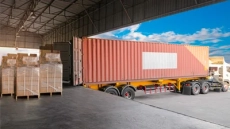
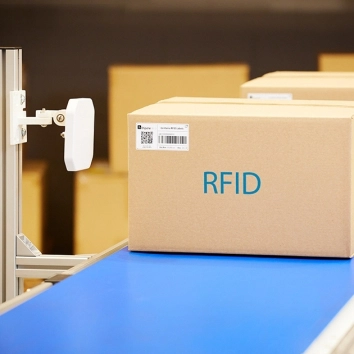
In logistics and distribution, the merchandise is constantly changing location, responsible and state. It leaves the warehouse, passes through docks, platforms, routes, distribution centers, logistics operators, delivery points or final customers. Each change of hands can generate errors, delays, losses, incomplete deliveries or lack of information about the real state of the merchandise. RFID technology allows identifying boxes, pallets, containers, cages, returnable assets or logistics units quickly and automatically, providing traceability from shipment to delivery.

RFID Logistics Distribution

More control from warehouse exit to final delivery

Dipole RFID develops solutions to automate the identification of merchandise and logistics assets at key points in the distribution chain. Through RFID tags, fixed readers, mobile readers, antennas, passage arches, reading tunnels and integrated software with ERP, WMS, TMS or transportation systems, it is possible to validate loads, control shipments, manage returnable assets, register movements and reduce incidents in high-volume logistics operations.

rfid for logistics

Identification

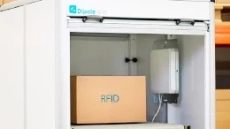
Labels

Identification

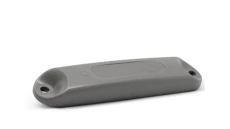
Dipole's range of RFID tags for logistics and distribution facilitates the precise identification of goods, packages, pallets, and other essential elements in the supply chain.  
portals

Detection

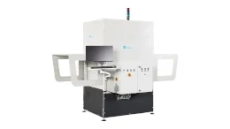
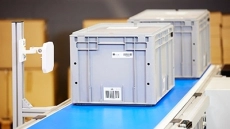
The most suitable RFID hardware for each logistics project is analyzed, ensuring optimal detection of RFID tags in any environment.  
Software

Management

Dipole creates its exclusive software to manage all the information collected through RFID technology, offering simple and intuitive data management in logistics and distribution.  

Benefits of RFID technology for logistics and distribution

Full traceability of the merchandise

RFID allows registering and controlling every movement of pallets, boxes and packages from the warehouse to the delivery point.

Less loading and shipping errors

Automated validation helps ensure that each item is sent to the correct destination, route, or customer.

Greater control over palms and returnable assets

Manage palms, cages, containers, and other reusable assets, reducing losses and improving their availability.

Greater visibility throughout the entire supply chain

Connects warehouse, transportation, and reception to have reliable and real-time information.

Time reduction

Automate loading, unloading, validation, and classification processes, improving logistical efficiency.

Efficient return and reverse logistics control

Facilitates the identification, classification, and reincorporation of returned merchandise into the logistics flow.

Early detection of incidents

Allows identifying errors, deviations or misplaced merchandise before they affect the final customer.

Integration with ERP, WMS and TMS

Automates the exchange of information between physical goods and business management and logistics systems.

Processes in Logistics and Distribution where RFID traceability adds more value

FAQs about RFID solutions for Logistics and distribution

It is an automatic identification solution that allows controlling goods, boxes, pallets, containers, cages, returnable assets, and logistics movements through RFID labels, readers, antennas, and traceability software.

Used to validate shipments, control loads, record movements, manage returnable assets, improve traceability, reduce delivery errors and connect warehouse, transportation and distribution.

In storage, RFID focuses on stock, locations, inventory, and internal preparation. In logistics and distribution, RFID focuses on shipment, loading, transit, receipt, delivery, returns, and assets moving between locations.

Yes. With arches, portals, tunnels or RFID readers at docks, you can check what merchandise enters or leaves, associate it with a route and detect differences compared to what was expected.

Yes, as long as the project is well designed. The reading will depend on the type of product, materials, density, label orientation, reading distance, antennas and configuration of the control point.

It is especially useful in operations where the merchandise enters and exits quickly, because it allows identifying logistics units, validating destinations and reducing classification errors.

RFID can be used in loading, unloading, distribution centers, delivery points, or assets associated with transportation. For continuous tracking during route, other technologies can be combined according to the case.

RFID records reads at defined points in the chain. It allows you to know when a unit passes through reception, dock, exit, hub or delivery. For real-time continuous location, it can be combined with other solutions.

RFID can be integrated with WMS, ERP, TMS, SGA or proprietary platforms to update shipment, transit, delivery, or return status.

It's. Once you identify each asset and record its movements, it's easier to know where it is, who has it, when it left and if it has returned to the circuit.

Yes. The company may have objective records about preparation, loading, departure, receipt, or delivery, which helps to resolve incidents more quickly.

The system can detect the discrepancy if the RFID unit read does not match the route, order, destination or expected load. This allows correcting the error before it leaves.

Yes. In returns, repairs, reconditioning or return of assets, RFID facilitates identifying the unit, linking it to its original shipment and registering its new status.

Tags RFID, labels, fixed readers, mobile readers, antennas, gateways, read tunnels, RFID printers and integrated traceability software with logistics systems can be used.

See. The docks are one of the most useful points to install portals or RFID arches, because they concentrate entrances, exits, loads, and unloads.

Depends on the level of traceability required. In logistics it is usually customary to identify boxes, pallets, containers, cages or returnable assets. In critical products it can also be identified as individual unit.

Si. Puede ayudar a compartir datos de trazabilidad entre fabricante, operador logístico, transportista, distribuidor y cliente, siempre que se definan procesos e integración adecuados.

Usual practice is to analyze shipment flows, loading and unloading points, logistics units, routes, returnable assets, existing systems and main incidents to define reading points and project scope.

Because Dipole RFID can design a complete solution, from tag and equipment selection to the installation of reading points, traceability software and integration with WMS, ERP, TMS or proprietary systems.

Contact Dipole

Can we help you?

Find the RFID solution or product that meets your business needs. Ask us to help you make the right decision.

No results