











Supply Chain RFID Banner

RFID Supply Chain

Supply chain control with technology

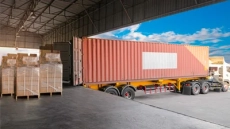
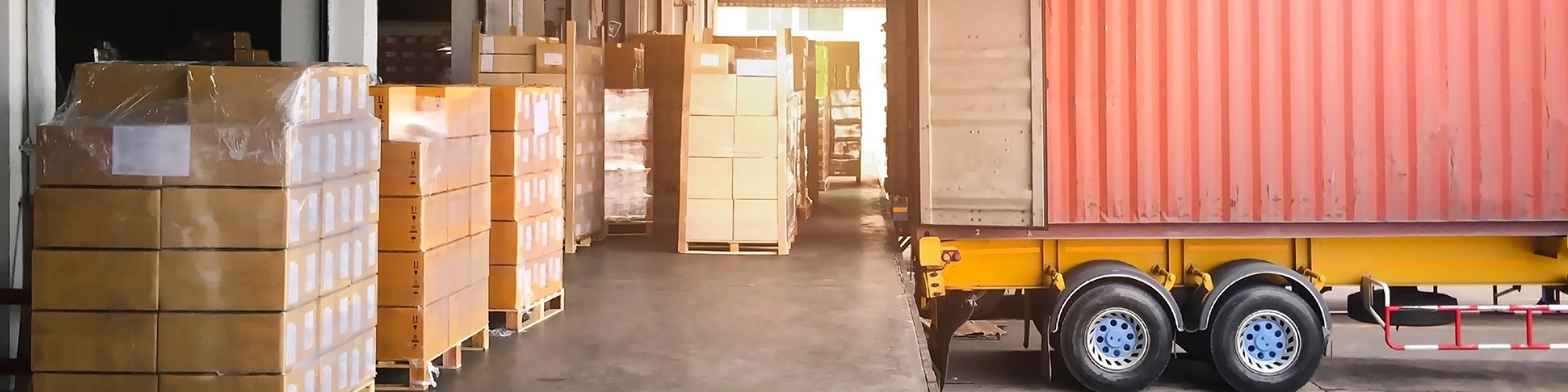
Most industries are faced with the challenge of having to move large quantities of goods as efficiently as possible. 

RFID technology enables the supply chain to be a faster process, with less handling by operators and eliminating human error, making it a much more efficient and cost-effective process.

With Dipole’s solution to control the supply chain through RFID technology, it is possible to have all the information on the products in real time, with precise locations.

By identifying each item with Dipole RFID tags, using RFID hardware to read with gateways, portals or portable readers and finally managing its data with Lama Software, we will obtain the comprehensive solution in the supply chain.
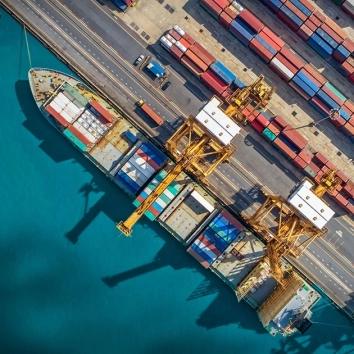
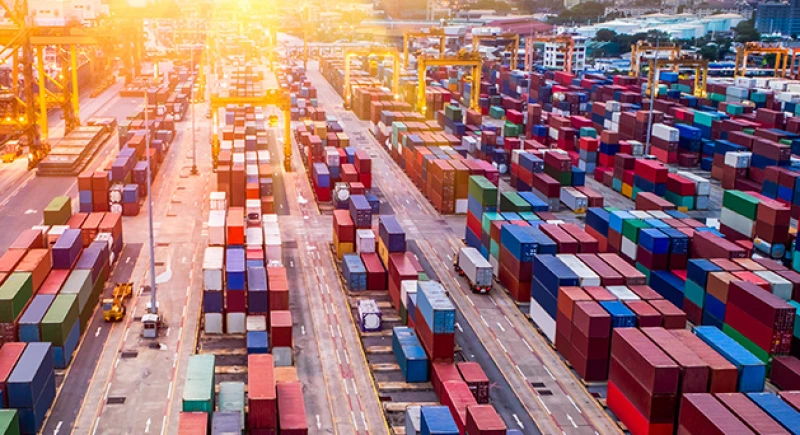
Supply Chain RFID

Why RFID Improves Traceability Over Other Systems

Traceability depends on data quality. If the data is captured late, manually or with errors, the information loses operational value. RFID improves this point because it automates the capture of information at key moments of the process.

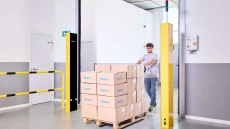
With RFID, it is not necessary to scan each product one by one or have direct vision of the label. A portal, arch, tunnel, fixed reader or portable reader can detect multiple units at once and register the movement immediately. This reduces times, avoids manual errors and allows working with more reliable data.

The result is faster, more accurate and more useful traceability for decision-making: fewer incidents, less information loss, more operational control and a clearer view of what happens at each point of the process.


supply chain

IDENTIFICATION

Labels

IDENTIFICATION

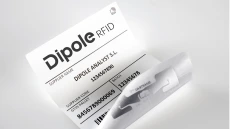
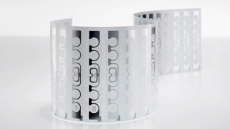
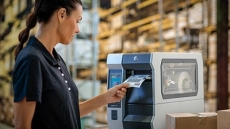
Con etiquetas RFID podrá identificar todos los productos con información útil para el negocio como código de artículo, proveedor, tipo de producto… 
Readers

DETECTION

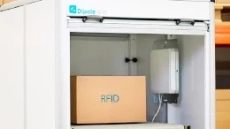
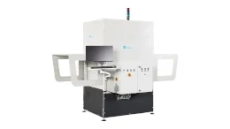
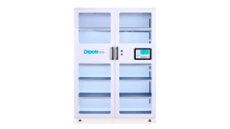
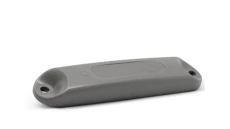
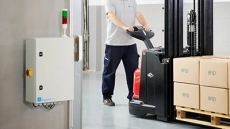
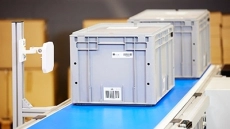
With RFID hardware, all the information on the items can be read with maximum accuracy and without the need for physical contact with the item.
Software

MANAGEMENT

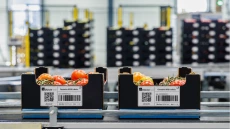
Dipole's software allows you to register incoming goods in real time, along with all the information you need for your business management to make the right decisions. 

What you can draw with RFID

The RFID technology can be used to trace any physical element that needs to be identified, located or controlled throughout a process.

Products

Units of sale, textile articles, industrial products, sanitary products, components, books, electronic devices.       

Boxes and packaging

Logistical boxes, bundles, returnable packaging, product groupings.

Pallets and logistical units

Complete pallets, cars, cages, containers, roll containers, shipments.

Assets

Tools, equipment, instruments, IT material, machinery, molds, fixtures.

Clothing and textiles

Industrial clothing, uniforms, hospital linen, retail clothing, laundry textiles.

Documentation or physical media

Files, books, archives, certifications, cards, identification material.

Processes where RFID traceability adds more value

Receiving goods

Register product entries, lots or pallets without manual unit-by-unit review.

Production

Associate manufacturing data, process phases, quality controls or state changes.

Warehouse

Improves visibility of locations, movements, availability and real stock.

Inventory

Allows for faster, more frequent, and more accurate counts.

Expedition

Verify that the prepared products match the order before departure.


Internal Logistics

Controls movements between zones, cameras, warehouses, lines or work centers.

Distribution

Facilitates tracking of parcels, pallets or containers between centers.

Asset Control

Registers location, use, entry, exit, maintenance or availability of equipment.

Benefits of implementing traceability with RFID

A RFID traceability solution adds value when it reduces operational friction and improves information quality. Its benefits are noticeable both in daily work and in the company's ability to control complex processes.

RFID in retail

retail smart tag

RFID in retail

health

RFID in healthcare

fruits and vegetables

RFID food

laundries

RFID laundries

industry

RFID industry

hospitals

RFID in hospitals and healthcare

supply chain

RFID in supply chain

Reception, storage, order preparation, pallet control, distribution, reverse logistics and shipping.

sports events

RFID in leisure and events

Accreditations, access controls, libraries, rented materials, equipment and temporary assets.

It is the ability to identify and track products, assets, batches or logistics units through RFID tags and radio frequency readers. It allows registering movements, locations and events without the need for direct visual contact.

The barcode requires individual and direct line-of-sight reading. RFID enables automatic, massive, and contactless readings, which speeds up processes such as inventory, receipt, shipment, or asset control.

Items can be traced, products, boxes, pallets, lots, assets, tools, garments, containers, documentation, certifications or any physical element that requires identification and control.

Yes. When RFID readers are connected to the management software, each reading can become a registered event in real time: entry, exit, location change, shipment or validation.

No. It is a cross-cutting solution applicable to industry, retail, food, healthcare, laundry, leisure, public sector, utilities and any environment where it is necessary to control products, assets or movements.

An RFID tag can contain or be associated with data such as a unique identifier, reference, batch, serial number, date, supplier, location, status, or information linked to internal systems. In many cases, the complete information is managed in the software and the tag acts as a unique identifier.

Yes. An RFID solution can be integrated with ERP, WMS, MES, SGA or other systems so that readings generate useful events within business processes.

It depends on the use case. In many industrial, logistics or retail tracking projects, RFID UHF is used for its long-range reading and multiple reading capability. In other contexts, HF, LF or NFC can be used depending on the environment, object and required reading distance.

Compensate when there is volume of products or assets, manual errors, need for fast inventory, visibility issues, audit requirements or processes where the physical data must be captured in a more automated and reliable way.

Mr. Dipole analyzes the process, defines the appropriate label, selects readers and antennas, validates the solution in a real environment and integrates RFID data with the necessary software.

Contact Dipole

Can we help you?

Find the RFID solution or product that meets your business needs. Ask us to help you make the right decision.

No results