










Traceability and process optimisation are one of the main keys to ensuring quality and competitiveness in the food industry. There is no doubt that the emergence of RFID technology applied to the food sector has streamlined and optimised all the processes in the chain, from the beginning to the end, the ability to track and monitor provides real-time data that guarantee food safety and compliance with traceability regulations.
In this blog, we will take a look at the different RFID solutions that Dipole offers and how they are transforming this sector, optimising processes and guaranteeing cutting-edge quality.
The main applications in the food industry
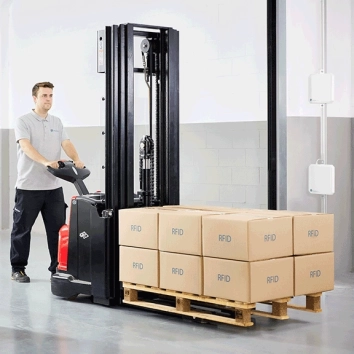
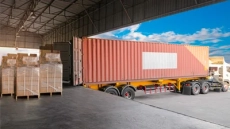
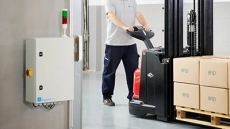
- Control of pallet movements and dispatches
- Unit identification of products.
- Traceability in the chain from start to finish.
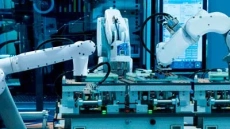
The cost of RFID chips is decreasing, so applications that for many years have been done manually can now be automated. This makes it possible to create fully autonomous processes with almost non-existent error rates.
Here are some examples of industrial applications for specific sectors:
Meat sector
The identification of hams allows the control of each piece in a unitary way. The control of pallets ensures you know in which cold chambers the product is in and to carry out correct loading, ensuring traceability throughout the process.
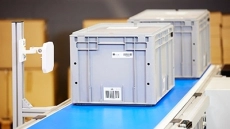
The control of trays or plastic boxes gives us complete traceability in the slaughterhouses or in the distribution centres up to the shops.

Fruit and vegetable sector
By identifying the pallets/pallets/boxes with RFID tags, we enable detailed tracking in the production processes, their location and the control of shipments. In industries where fruit and vegetables are packed, by RFID identification of pallets, traceability and loading can be controlled.

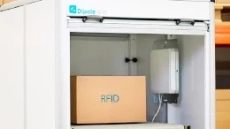
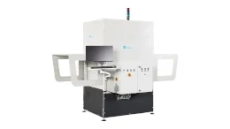
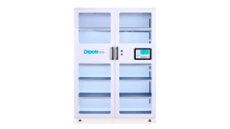
All our solutions include:
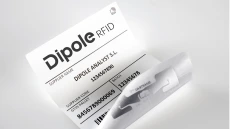
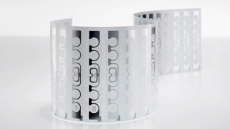
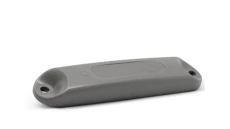
- RFID tags or labels to track the movement of products/batches until shipment.
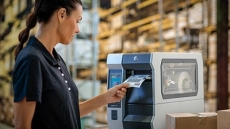
- RFID readers to scan and read RFID tags or labels.
- A middleware fully adaptable with the customer's ERP or management system, which allows access to the information collected along the production chain.
Let's look at some of the processes where RFID adds value:
- Identifying incoming goods, supplier codes, dates and batches.
- Capturing data during manufacturing processes.
- Labelling according to traceability regulations.
- Obtaining complete visibility of productivity.
- Avoid obsolete or out-of-date stocks with proper management of inventory alerts.
- Guarantees shipments to your customers.
- Integrates movements and data in real time with your management system or ERP.
In conclusion, RFID technology applied in the food industry offers multiple benefits, from food safety and traceability to supply chain optimisation and improved customer experience.
If you want more information about RFID technology in the food sector, visit our website www.dipolerfid.com or contact us through our contact form.