




















RFID Sector Textil

RFID for Textile and Garment

RFID for textiles and apparel: garment and production traceability

The textile and apparel industry works with multiple references, sizes, colors, collections, lots, workshops, warehouses and shipments where stock control and traceability are essential. Each garment, box or logistics unit must be correctly identified to reduce errors and streamline the operation.

The RFID technology allows to identify garments, rolls, lots, boxes, poles or textile assets without the need for direct visual reading. This facilitates production tracking, inventory, order preparation and shipment control.
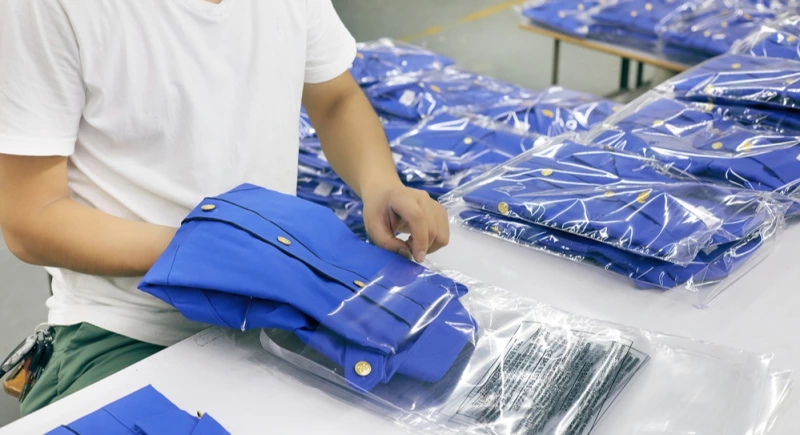
Textile Traceability

More control in cutting, sewing, warehouse and distribution

In textile and apparel, information must accompany each product from raw material to finished garment, warehouse and delivery to store, customer or logistics center. RFID allows for movement registration, reference validation and real-time stock updates.

Dipole designs RFID solutions for textile manufacturers, apparel workshops, brands, logistics operators, fashion warehouses, uniformity, workwear and technical textiles. The solution may include textile RFID labels, readers, antennas, reading tunnels, RFID printers and integrated software with ERP, WMS, SGA or production systems.

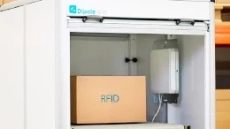
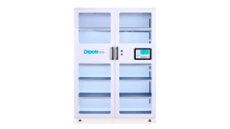
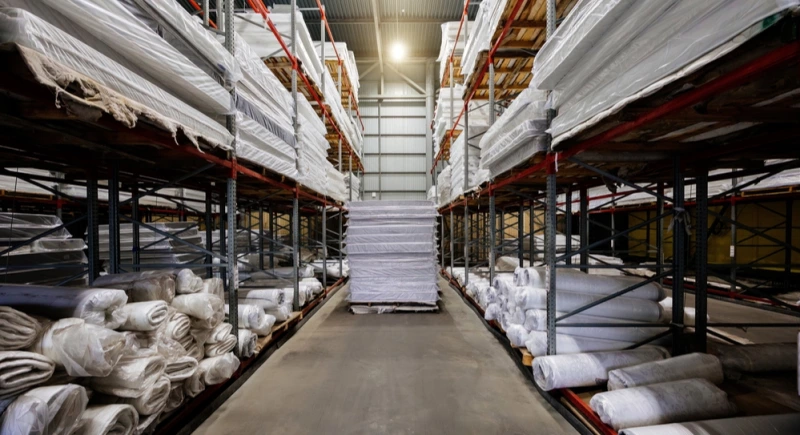
Textile in storage RFID

RFID Solution for Textile and Garment Industry: Production Control, Inventory Management, and Traceability

1

IDENTIFICATION

We offer RFID solutions at Dipole to identify fabrics, rolls, garments, components, accessories, boxes and labels throughout the entire production process. Each item can be associated with information such as reference, size, color, batch, collection, manufacturing order, supplier, production status or final destination.

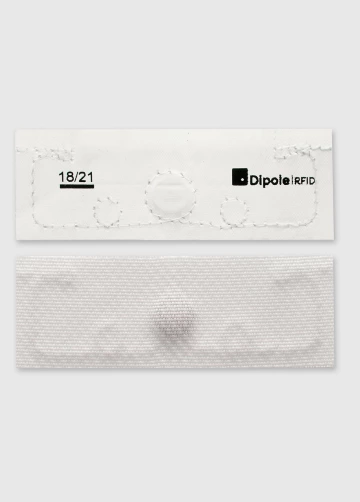
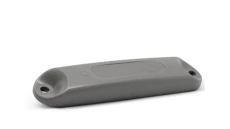
Textile RFID Label
2

DETECTION

We integrate RFID tags, readers, antennas and portable devices in reception, cutting, manufacturing, finishing, storage and shipping areas. Automatic reading allows locating materials and garments, controlling their progress between processes, validating orders, reducing preparation errors and speeding up inventory counts.


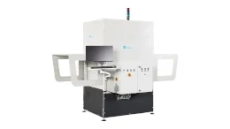
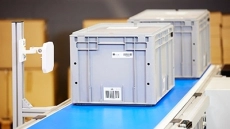
Antenna Dipole RFID
3

MANAGEMENT

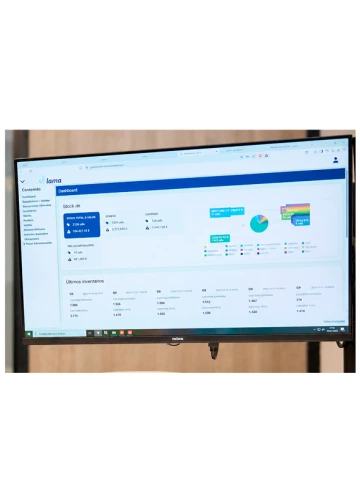
We connected RFID technology with ERP, MES and WMS systems to have up-to-date information in real-time. The solution facilitates the control of raw materials, production in progress and finished product, improves the traceability of each garment, optimizes the management of orders and returns and increases the efficiency of the entire supply chain.


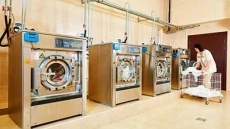
Lama SW

Applications RFID for textile and apparel

Benefit of RFID for textiles and apparel

Traceability of materials and garments

RFID allows each roll, batch, package or garment to be tracked from material receipt to manufacturing, finishing, storage and shipping.

Each movement is recorded and can be incorporated into the digital history of the production order.

Work in Progress Control

The company can know how many units are in cutting, sewing, finishing, inspection or packaging.

This visibility facilitates production planning and allows detecting delayed orders, delays or accumulations between processes.

Quick Material Location

RFID devices allow for locating rolls, piece packages, and garments without manually checking the entire warehouse or workshop.

This reduces the time spent searching and avoids interruptions caused by materials that are registered but not found in the intended location.

Reduction of blends and errors

The system can check that the fabric, color, size, pattern or lot corresponds to the active production order.

When an incorrect reference or a mix between orders is detected, it is possible to generate an alert before continuing with the process.

Faster and more precise inventories

RFID allows for mass counts of materials and products without scanning each unit individually.

Inventories of fabrics, garments, and finished products are completed in less time and with greater precision than manual processes.

Greater control over external workshops

Items and materials sent to collaborating workshops can be automatically registered before they leave and upon their return.

This allows you to know which units are outside the facilities, to which supplier they have been assigned, and if there are any differences between the quantities sent and received.

Validation of orders and shipments

Before closing a box, pallet or order, RFID can check that the references, sizes, colors and quantities match the customer's order.

This validation reduces errors in preparation, returns and costs resulting from incorrect shipments.

Production Timeframe Improvement

Updated information on materials, orders, and operations allows anticipating incidents and coordinating resources better.

The company can reduce waiting times, identify bottlenecks, and improve delivery date compliance.

FAQs about RFID solutions in textiles and apparel

Serves to identify items, lots, boxes, orders and inventory during production, storage and shipping.

It can be done at the level of garment, box, lot or pallet according to the level of control needed.

Yes. Each tag can be associated with reference, size, color, batch, collection or order.

Yes. With the right configuration, RFID allows for massive readings of boxes, cars or palms.

Hi. RFID identification can connect factory, warehouse, distribution and store.

Its RFID can connect with production systems, warehouse, retail or logistics.

Depends on the case: hanging labels, inlays, sewn labels or specific textile solutions.

Yes. Allows to quickly identify returned items and reintegrate them into stock.

You. Can control samples, prototypes and collection pieces.

Defining whether to identify by item, box or lot, and analyzing critical points: production, warehouse, shipping, return or store.

Contact Dipole

Can we help you?

Find the RFID solution or product that meets your business needs. Ask us to help you make the right decision.

No results