

















RFID for medical devices: traceability, control, and operational security
In the medical device sector, information must accompany the product at each stage: origin, batch, serial number, status, location, date, order, intervention, maintenance or destination. RFID allows these movements to be registered automatically and improve the reliability of the data in processes where traceability is critical.
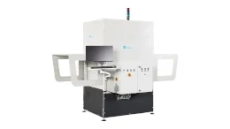
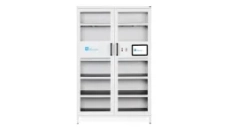
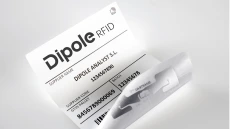
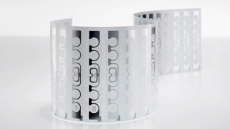
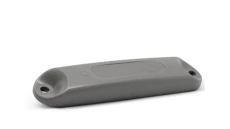
Dipole designs RFID solutions tailored to medical product manufacturers, distributors, hospitals, clinics, sterilization centers, pharmaceutical warehouses and specialized logistics operators. The solution may include RFID labels, resistant tags, portable readers, antennas, portals or reading tunnels, RFID printers and integrated software with ERP, WMS, SGA, GMAO, hospital systems or internal traceability platforms.
We offer RFID solutions at Dipole to uniquely identify medical devices, instruments, implants, prosthetics, surgical kits, equipment, consumables, packaging, and logistics units, linking each element to key information such as reference, batch, serial number, expiration date, location, status, or usage history.
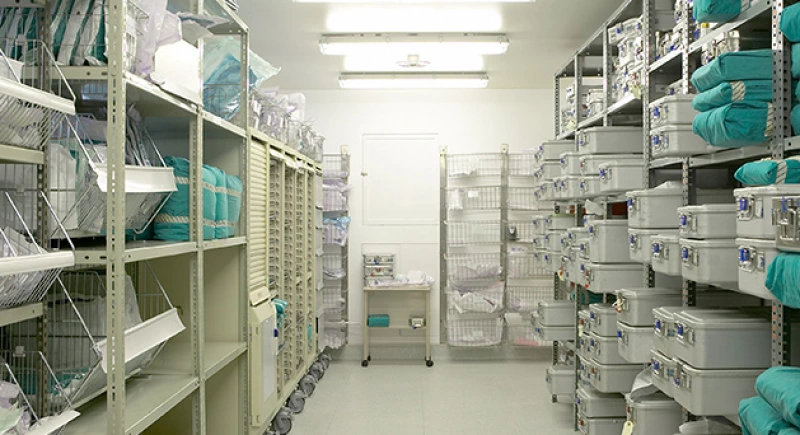
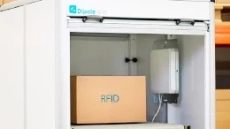
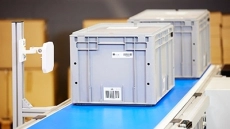
We integrate RFID tags, readers, antennas, tunnels and portable devices to automatically detect products and assets in manufacturing plants, warehouses, laboratories, hospitals, operating rooms, sterilization zones and distribution centers, without the need to scan each element individually.
We connect RFID technology with ERP, WMS, LIMS, hospital software or traceability platforms to control inventory, lots, expirations, movements, sterilization processes, maintenance and distribution, reducing errors and improving visibility of each device throughout its entire life cycle.
Rfid solutions for medical devices automatically identify products, lots, assets or logistics units and record origin, location, status, movement and destination to offer a reliable end-to-end traceability.
RFID in Medical Devices enables faster inventory and updated stock, reducing discrepancies between physical inventory and the system, and facilitating replenishments, recounts, and real-time availability.
RFID validation in medical devices helps detect incorrect references, quantities, lots, orders, assets or movements before they generate incidents in receipt, preparation, production, shipment or delivery.
By automating readings and records, RFID reduces repetitive manual tasks in medical devices, accelerates workflows, and improves productivity in warehouse, production, logistics, or service operations.
RFID facilitates the control of assets, equipment, tools, containers, pallets, or other reusable elements in Medical Devices, recording location, use, movements, returns, and maintenance to avoid losses and unnecessary purchases.
With RFID, Medical Devices improves quality, safety, compliance and audits by linking each reading with controls, incidents, reviews, conservation, expiration, documentation or internal requirements for traceability.
Rfid readings for medical devices integrate with ERP, WMS/SGA, MES, GMAO, CRM, LIMS or other systems, converting each physical movement into reliable, visible and actionable operational data in real-time.
RFID converts the medical device operation into a more agile, cost-effective and scalable process, with less operational friction, better service, greater control and a solid foundation to grow without relying on manual registration.
RFID enables the identification and control of medical devices, sanitary products, instruments, kits, implants, equipment, boxes, and logistics units during manufacturing, storage, sterilization, distribution, use, and maintenance processes.
Yes. Each RFID tag can be associated with batch data, serial number, reference, date, location, status, order or destination.
RFID can be integrated into a tracking solution that relates the device to its identification data, batch, serial number, location, and movements.
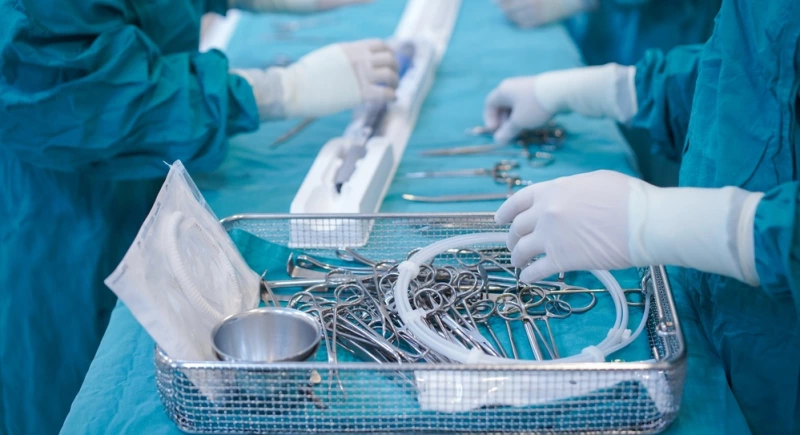
Sí. Puede aplicarse a instrumental, bandejas, sets y kits quirúrgicos para controlar ubicación, disponibilidad, uso, limpieza, esterilización y retorno.
Yes, always select appropriate tags for the real conditions of the process and validate their behavior in the usage environment.
Please help control stock, lot, serial number, location, availability, shipment, return or pickup of high-value devices.
Depends on the level of traceability required. It can be identified as the device, box, batch, kit, tray, container, cart or logistics unit.
You can replace it in some processes or coexist with it. RFID adds more value when automatic reading, mass reading, non-contact visual identification or reusable asset control is needed.
Yes. Dipole can integrate RFID readings with ERP, WMS, SGA, GMAO, hospital systems, tracking platforms or internal systems.
Depends on the device, material, size, environment, and process. Adhesive labels, resistant tags, metal tags, instrument tags, box labels, or specialized solutions for reusable assets can be used.
By improving lot, series or unit traceability, it facilitates locating affected products and reconstructing their movements.
It is useful for controlling medical devices located in hospitals or clinics belonging to a provider and requiring stock tracking, replenishment, use, or billing.