





















RFID for transportation

RFID for transportation and logistics

RFID for transportation: traceability and control in motion

The transportation is a critical phase within the supply chain. Every merchandise, pallet, container, box, returnable asset or logistics unit must move between warehouses, operators, platforms, customers or delivery points with the maximum possible visibility. When control depends solely on manual records, barcodes or visual checks, errors, information losses and operational incidents increase.

Rfid technology allows to automate the identification of merchandise, loads, vehicles, containers, cages, pallets or logistics assets without the need for direct visual reading. This facilitates the registration of entries and exits, the verification of shipments, the control of loads, the tracking of reusable assets and the traceability of movements between different points of the logistics chain.

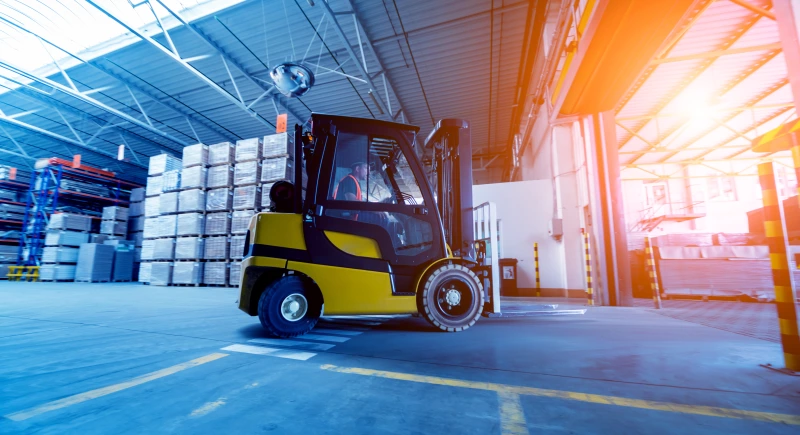
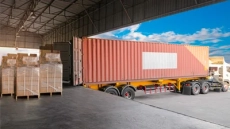
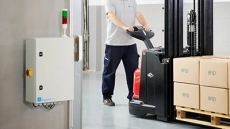
RFID Truck

More visibility between warehouse, logistics operator and destination

In transportation, information must accompany each logistics unit from order preparation to loading, transit, receipt, and, if applicable, return. RFID allows registering movements at key points in the process and connecting those data with the company's management systems.

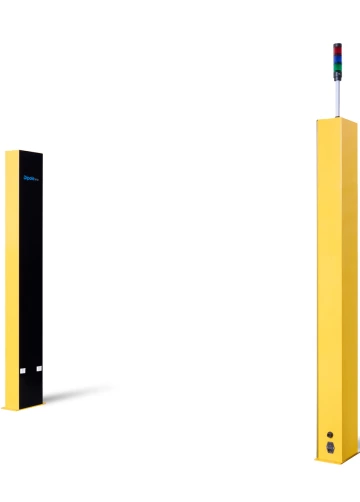
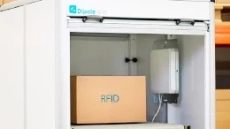
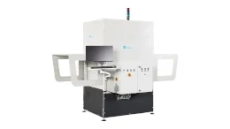
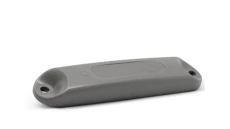
Dipole designs RFC solutions adapted to logistics operators, transportation companies, distribution centers, cross-docking platforms, distribution networks, refrigerated transport, and returnable asset supply chains. The solution may include RFID labels, resistant tags, portable readers, antennas, reading portals, RFID tunnels, RFID printers, and integrated software with ERP, WMS, SGA, TMS, or internal traceability systems.

Logistics RFID

RFID Solution for transportation, logistics and merchandise traceability

1

IDENTIFICATION

We offer RFID solutions at Dipole to uniquely identify vehicles, trailers, containers, poles, boxes, goods, tools, logistics assets and associated transportation documentation, linking each item to key information such as license plate, route, load, origin, destination, status or location.

2

DETECTION

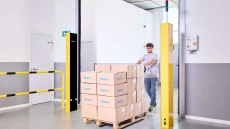
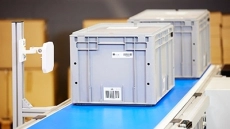
We integrate RFID tags, readers, antennas, arches, portals and handheld devices to automatically detect entries, exits, movements and loads in docks, warehouses, logistics centers, shipping zones, stations, terminals and control points, without the need for direct visual reading.

3

MANAGEMENT

We connect RFID technology with ERP, WMS, SGA, TMS or logistics management platforms to automate asset control, validate loads, register movements, reduce shipping errors, improve traceability and optimize real-time transportation management.

Benefits of RFID technology for transportation

Traceability and automatic identification

The RFID solutions for Transport identify automatically products, lots, assets or logistics units and record origin, location, status, movement and destination to offer a reliable end-to-end traceability.

Accurate Inventory and Stock

RFID in Transport allows for faster inventory taking and maintaining up-to-date stock, reducing discrepancies between physical inventory and the system and facilitating replenishments, recounts, and real-time availability.

Validation and error reduction

RFID validation in Transport helps detect incorrect references, quantities, lots, orders, assets or movements before they generate incidents in reception, preparation, production, shipment or delivery.

Automation and operational efficiency

By automating readings and records, RFID reduces repetitive manual tasks in Transport, accelerates workflows and improves productivity in warehouse, production, logistics or service operations.

Asset, Equipment, and Returnable Control

RFID facilitates the control of assets, equipment, tools, containers, pallets, or other reusable items in Transport, recording location, use, movements, returns, and maintenance to avoid losses and unnecessary purchases.

Quality, security and compliance

With RFID, Transport improves quality, security, compliance and audits by linking each reading with controls, incidents, reviews, conservation, expiration, documentation or internal requirements for traceability.

Integrated Data and Real-time Visibility

The RFID readings for Transport are integrated with ERP, WMS/SGA, MES, GMAO, CRM, LIMS or other systems, converting each physical movement into reliable, visible, and actionable operational data in real-time.

More agile, cost-effective and scalable operation

RFID converts the transportation operation into a more agile, cost-effective and scalable process, with less operational friction, better service, greater control and a solid foundation to grow without relying on manual registration.

Applications of RFID in transportation

FAQs about RFID solutions for transportation

RFID enables the identification and control of merchandise, boxes, pallets, containers, cages, vehicles, returnable assets, and logistics units during loading, shipping, receiving, return, and inventory processes.

RFID allows registering readings at key points in the supply chain, such as warehouses, docks, platforms, vehicles, distribution centers or destination. For continuous tracking on route, it can be combined with other technologies according to the project.

It. Is one of the most useful applications. The system can automatically check that each box, pallet, container or cage corresponds to the order, route or vehicle planned.

Yes. It allows identifying received logistical units and comparing them with the forecasted information, reducing check times and manual errors.

Jails, cars, returnable boxes, containers, pallets, reusable packaging, bundles, logistics kits, documentation and cargo units.

See. Help control merchandise from different clients, shared assets, shipments, receptions, inventories, and internal movements on logistical platforms.

Yes, always select suitable tags, labels, and reading points for real temperature, humidity, packaging, and operational conditions.

You can replace it in some processes or coexist with it. RFID adds more value when automatic reading, mass reading, non-contact visual identification or rapid load validation is needed.

Its Dipole can integrate RFID readings with TMS, ERP, WMS, SGA, logistics platforms or internal systems to update shipments, receptions, routes, assets and movements.

No always. Depends on the operational flow. Some processes can be resolved with portable readers, while others require fixed readers, portals or RFID tunnels at piers, accesses or dispatch zones.

Contact Dipole

Can we help you?

Find the RFID solution or product that meets your business needs. Ask us to help you make the right decision.

No results