














Traceability RFID in Food

RFID for food distribution

RFID for food distribution: more control in every move

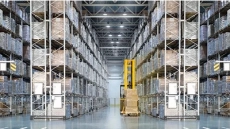
The food distribution works with large volumes of product, high rotation, multiple references and logistical processes where precision is key. Each entry, location, order preparation or shipment must be registered correctly to maintain the current stock and ensure reliable traceability.

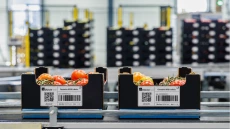
The RFID technology allows to identify boxes, pallets, containers or logistical assets automatically, without the need for direct visual reading. This accelerates processes such as receiving goods, inventory, picking and verifying shipments, reducing manual errors and improving visibility over the entire operation.
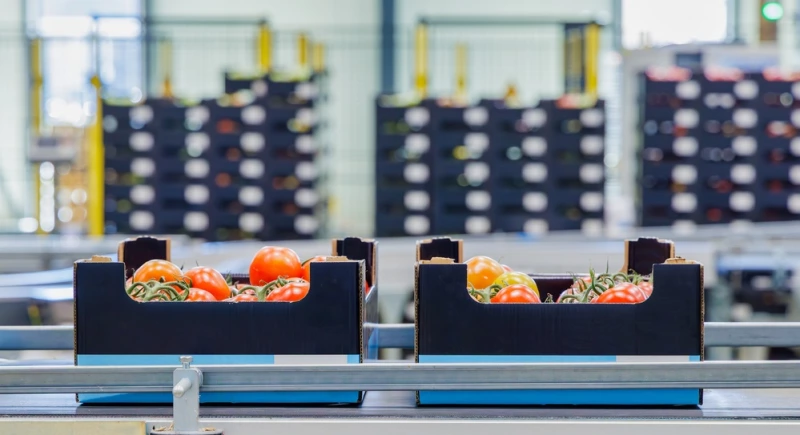
Food RFID

Traceability and efficiency in warehouses, logistics centers, and expeditions

In food distribution companies, information must accompany the product from when it enters the warehouse until it reaches the customer, store, distribution center or point of sale. RFID allows registering movements, controlling batches, validating orders and detecting incidents before they affect the supply chain.

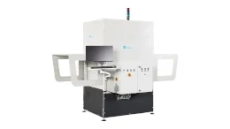
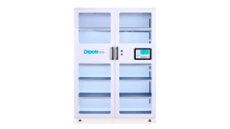
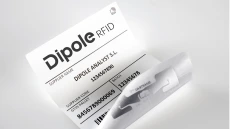
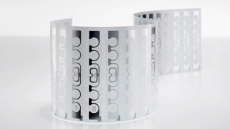
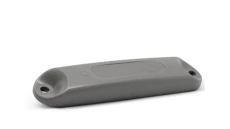
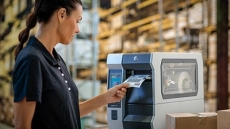
Dipole designs RFID solutions adapted to warehouses, logistics platforms, distribution centers and food operators. The solution may include RFID tags, readers, antennas, tunnels or reading portals, RFID printers and integrated software with ERP, WMS or SGA to convert each reading into useful information for daily management.

Traceability RFID food

RFID Solution for Food Distribution, Logistics, and Product Traceability

1

IDENTIFICATION

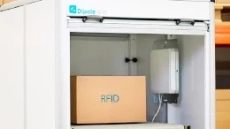
We offer RFID solutions at Dipole to uniquely identify food products, boxes, trays, pallets, containers, returnable packaging, lots and logistical units, associating each element with key information such as origin, reference, batch, production date, expiration date, location, destination or order status.

2

DETECTION

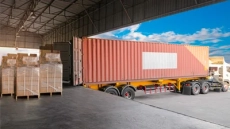
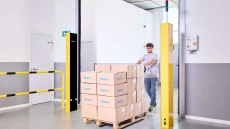
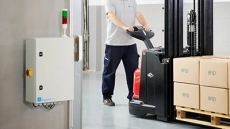
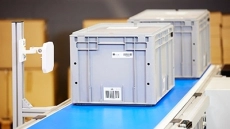
We integrate RFID tags, readers, antennas, tunnels, and portable devices to automatically detect food merchandise in warehouses, logistics platforms, loading docks, shipping areas, distribution centers, and receiving points, allowing for rapid and massive readings without the need to scan products one by one.

3

MANAGEMENT

We connect RFID technology with ERP, WMS, SGA systems or food traceability platforms to automate inventory, control entries and exits, manage lots and expiration dates, reduce order preparation errors and improve traceability from the supplier to the point of sale.

Applications of RFID in Food Distribution

Benefits of RFID technology in food distribution

Traceability and automatic identification

The RFID solutions for food distribution identify products, lots, assets or logistics units automatically and record origin, location, status, movement and destination to offer a reliable end-to-end traceability.

Accurate Inventory and Stock

RFID in Food Distribution enables faster inventory taking and maintaining up-to-date stock levels, reducing discrepancies between physical inventory and the system, and facilitating replenishments, recounts, and real-time availability.

Validation and error reduction

RFID validation in food distribution helps detect incorrect references, quantities, lots, orders, assets or movements before they generate incidents in reception, preparation, production, shipment or delivery.

Automation and operational efficiency

By automating readings and records, RFID reduces repetitive manual tasks in food distribution, accelerates work flows and improves productivity in warehouse, production, logistics or service operations.

Asset, Equipment, and Returnable Control

RFID facilitates the control of assets, equipment, tools, containers, pallets, or other reusable items in Food Distribution, recording location, use, movements, returns, and maintenance to avoid losses and unnecessary purchases.

Quality, security and compliance

Distribution of food improves quality, security, compliance and audits by linking each reading with controls, incidents, reviews, conservation, expiration, documentation or internal requirements of traceability.

Real-time visibility and integrated data

Retail RFID readings integrate with ERP, WMS/SGA, MES, GMAO, CRM, LIMS or other systems, converting every physical movement into reliable, visible, and actionable operational data in real-time.

More agile, profitable and scalable operation

RFID converts the food distribution operation into a faster, more profitable and scalable process, with less operational friction, better service, greater control and a solid foundation to grow without relying on manual registration.

FAQs about RFID solutions in the food distribution

RFID enables the automation of product, box, pallet, or logistical asset identification in processes such as receipt, inventory, order preparation, shipment, and traceability.

Yes. Each RFID tag can be associated with lot information, product, origin, location, order, date or destination.

Yes. It allows to automatically validate that the prepared or loaded units correspond to the expected order.

Depends on the level of traceability required. In many projects, the box, the pallet, the container or the logistics unit is labeled, without the need to label each unit of sale.

Yes, as long as the labels, readers, and reading points are correctly selected according to the real conditions of temperature, humidity, packaging, and operation.

Yes. In many projects both technologies coexist. RFID is used to automate massive readings or critical processes, while the barcode can be maintained in certain flows.

Its Dipole can integrate RFID data with ERP, WMS, SGA or other internal systems to update stock, orders, movements and traceability.

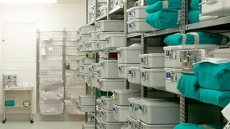
Palés, returnable boxes, cars, cages, containers, trays, locations, orders, shipments or complete logistics units.

Contact Dipole

Can we help you?

Find the RFID solution or product that meets your business needs. Ask us to help you make the right decision.

No results