

















RFID_Automocion

RFID Automoción

RFID Automotive

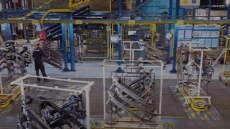
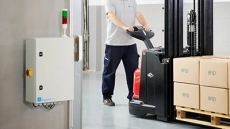
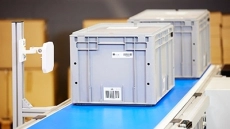
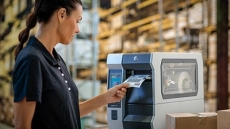
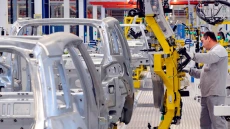
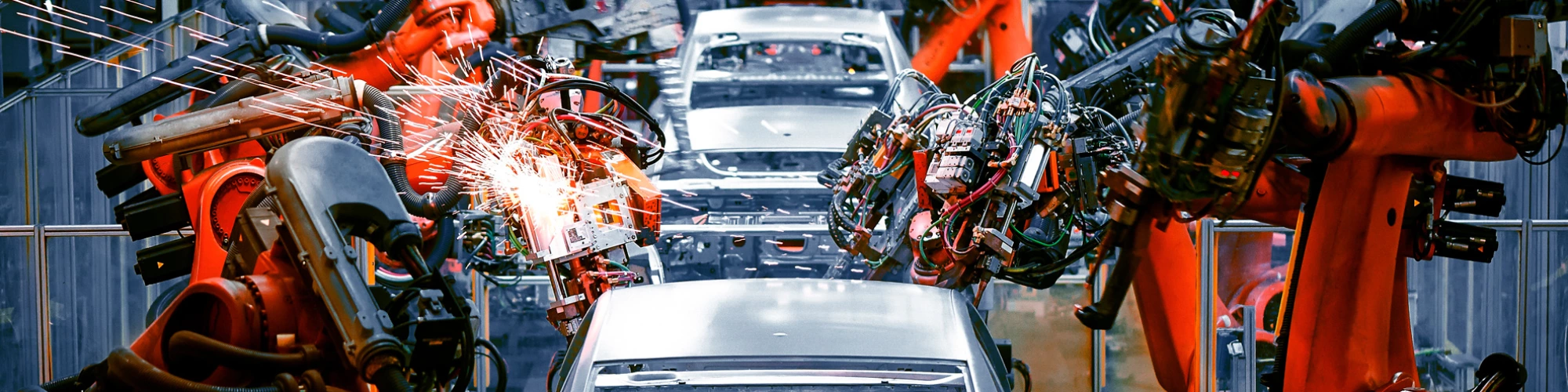
The RFID technology is digitizing the industry by connecting all its processes to reduce workloads and automatically verify tasks. Car manufacturers and component manufacturers use it to achieve greater efficiency and coordination in all stages of production.

With the incorporation of RFID technology in the car manufacturing process, we can have an accurate inventory of all parts and their location in real-time or if they are moving inside the factory. This makes quality control increase because we can detect possible problems in the production chain before they happen.

We will achieve control of all components involved in the manufacturing processes, from the receipt of merchandise by suppliers and the shipment of the final product.
RFID Automotive

Automotion towards industry 4.0

The RFID technology drives the automotive sector towards industry 4.0 by connecting all processes and achieving intelligent factories.

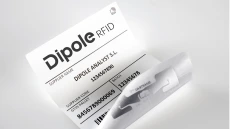
At Dipole, we design RFID solutions with the highest quality standards to guarantee the most accurate identifications in any environment and all the needs of the automotive industry, from the possibility of identifying metal parts, industrial paint treatments where the labels are exposed to certain chemicals and manufacturing processes where very high temperatures are experienced.

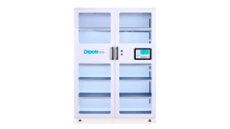
Our solutions incorporate hardware, software and RFID tags that are resistant to all these processes, both high temperatures, chemicals or metal identification. Thus, we can guarantee that the identification is total throughout the process.

RFID-Manufacturer-of-automotive-components

Traceability of parts, components, and subassemblies

  • RFID traceability of pieces, sets and subsets throughout the production process
  • Lot, series and critical reference control
  • Incident, non-conformity and recall management
  • Integrated RFID quality control at critical production points

Production, WIP and industrial sequencing

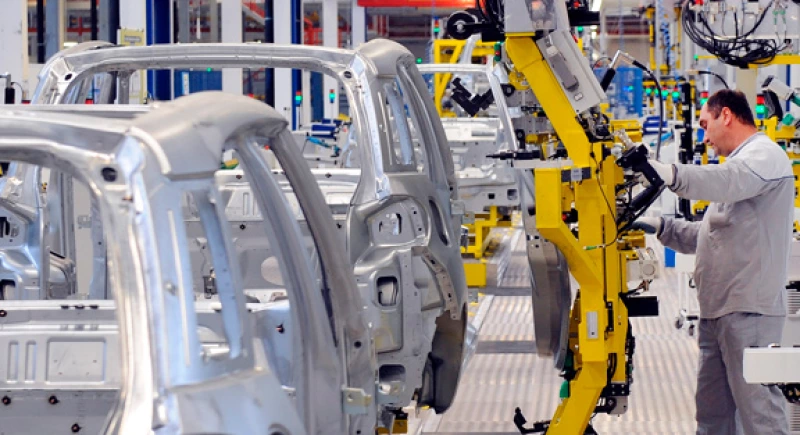
  • RFID Work in Process control on assembly lines and robotic stations
  • Internal flow optimization and sequencing with RFID technology
  • Kanban kit and box preparation for assembly lines
  • Assembly and production operation validation


Inventory, reception and shipments

  • Inventory management of RFID components and spare parts in production
  • RFID control of just-in-time supplier reception
  • Material and location tracking in the warehouse
  • Verification of shipments to assembly plants or Tier 1

Reusable assets, returnable, and integration

  • RFID tracking of reusable and returnable assets
  • Control of usage cycles, returns, and availability
  • Reduction of industrial asset losses
  • RFID integration with ERP, WMS, and MES


Applications of RFID in the Automotive Sector

Suppliers Tier 1

Component control, kits, JIT/JIS sequencing, plant shipments and quality traceability.

Suppliers Tier 2 and Tier 3

Part identification, lots, references, in-process production, inventory, and deliveries to industrial customers.

Manufacturers of plastic components

Traceability of parts, molds, containers, lots, locations and injection or assembly processes.

Manufacturers of metal components

Metallic part control, tooling, treatments, lots, series, WIP and shipments.

Electronic Component Manufacturers

Traceability of critical references, components, subassemblies, serial numbers, quality and storage.

Manufacturing Plants

WIP control, sequencing, assembly validation, robotic stations and material flow to the line.

Centers of logistics for automotive

Reception, inventory, kit preparation, shipment verification and rack or KLT control.

Spares and after-sales

Inventory control, references, locations, order preparation and shipments to workshops or dealers.

Dealerships and distribution networks

Vehicle identification, assets, spare parts, inventory, keys, documentation, and delivery processes.

Management of returnable packaging

Tracking of racks, KLTs, cages, cars, containers and reusable assets between plants and suppliers.

Benefits of RFID technology in the automotive industry

Greater traceability of parts and components

More precise tracking of references, lots, series, suppliers, processes, and destinations.

More control over production

Real-time visibility of the state of parts, subassemblies, vehicles, and productive operations.

Less assembly or shipping errors

Automatic validation of references, kits, loads, locations, and production sequences.

More reliable inventory

Updated control of parts, spare parts, components, tools and industrial assets.

Better management of returnable assets

Location and control of racks, KLTs, cars, containers and reusable packaging.

Fastest response to incidents

Agile identification of affected lots, parts or vehicles in case of non-conformities or recalls.

More logistical efficiency

Receiving, internal movements, order preparation and faster and safer shipments.

Integration with existing systems

Connection with ERP, WMS, MES or other industrial platforms to automate data and processes.

FAQs about RFID solutions for automotive

The RFID serves to identify and control automatically parts, components, vehicles, industrial assets, locations, orders and shipments. It allows to improve traceability, reduce manual errors and increase the visibility of productive and logistical processes.

Hi. RFID allows associating each piece or component with reference information, batch, serial number, supplier, location, production phase or destination, making end-to-end traceability easier.

Yes. There are specific RFID tags for metal and configurations designed for demanding industrial environments. The choice of the tag, antenna and reader point is key to ensuring reliable identification.

Its RFID can validate the correct sequence of components, kits or logistics units in just-in-time and just-in-sequence processes, reducing supply line errors and improving productive coordination.

It is one of the most common applications in automotive. RFID allows knowing where each rack, KLT, car, cage or container is, controlling usage cycles, returns and availability.

Hi. An RFID solution can connect with enterprise management systems, warehouse or production to automate records, update stock, validate movements and maintain digital traceability of the process.

OEM manufacturers, Tier 1, Tier 2 and Tier 3 suppliers, logistics operators, spare parts warehouses, assembly plants, component companies and companies managing industrial assets or returnable packaging.

You may also be interested in

Metal RFID Labels

RFID Labels for Metal

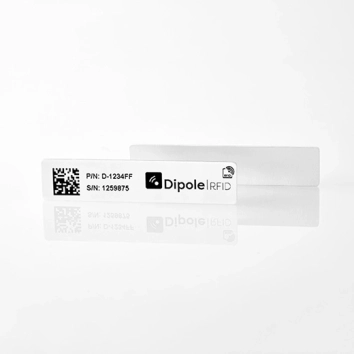
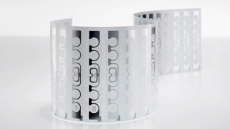
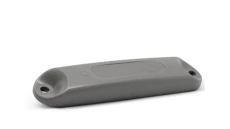
The RFID tags for metals operate in the UHF frequency range of 860-960 MHz and comply with the EPC Class 1 Gen 2 and ISO 18000-6C standards, ensuring their quality and reliability. They can withstand a temperature range of -40 °C to 85 °C / -40 °F to 185 °F, highlighting their suitability for extreme conditions. At Dipole, as manufacturers, we can customize the tags in size and include different prints to better suit the customer's actual needs. We have the capacity to distribute worldwide and in different delivery formats.
See more double_arrow
Contact Dipole

Can we help you?

Find the RFID solution or product that meets your business needs. Ask us to help you make the right decision.

No results