
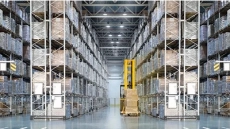
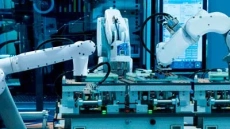

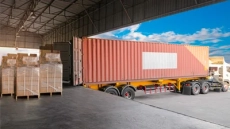

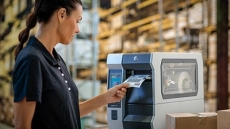






Companies are constantly looking for new ways to optimize production processes, implement technologies that reduce time and costs across the supply chain and logistics operations, and gain greater control over their assets.
As a result, more and more organizations are becoming interested in RFID technology and its wide range of applications. RFID is increasingly being adopted across industries such as food and beverage, automotive, chemical manufacturing, and many others.
In the retail sector, for example, companies are increasingly choosing RFID technology because it significantly reduces the time required for inventory management while delivering many additional benefits. Retailers have recognized the improvements RFID can bring to their supply chains and are taking full advantage of them. This is why companies such as Inditex, El Corte Inglés, and Mango already use RFID systems.
Today, we would like to discuss a topic we know exceptionally well: RFID technology and its applications. We will explain how it works and the many advantages it can bring to businesses.
What Is RFID Technology?
Before exploring everything RFID can offer your company, it is important to understand exactly what it is.
RFID stands for Radio Frequency Identification. As the name suggests, it is an identification system that uses radio frequency signals to identify and exchange information.
For comparison, barcodes are also identification systems. However, unlike traditional black-and-white barcode technology, RFID uses radio waves to communicate with a microchip. This means tags can be read without direct contact and without requiring a clear line of sight.
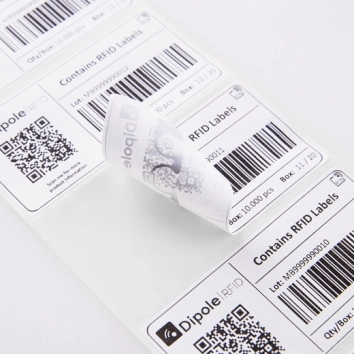
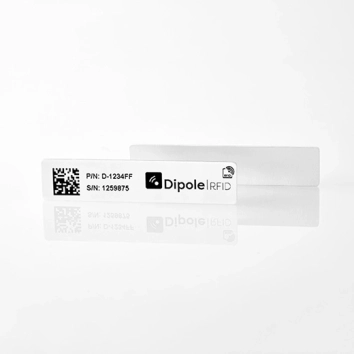
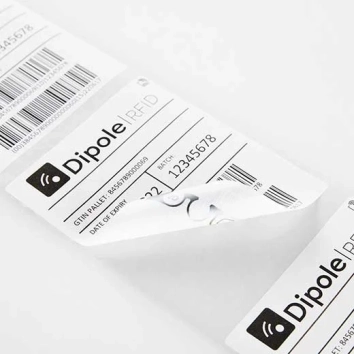
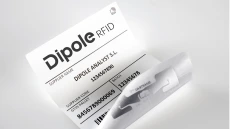
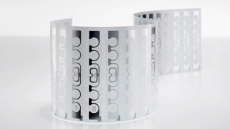
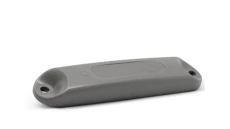
The RFID chip can be embedded in various carriers, including RFID labels, RFID tags, cards, or transponders.
Although the term RFID may not be familiar to everyone, most people use this technology in their daily lives without realizing it. Automatic toll payments, parking access systems, access control cards, and contactless purchases all rely on RFID technology.
The primary function of RFID is to identify objects and transmit information through radio waves. To achieve this, an RFID tag stores and transmits data. The process works as follows:
- The antenna emits a radio signal.
- The RFID chip is activated by that signal.
- The chip responds by sending its stored information back through the antenna.
- The reader captures and processes the data.
Each RFID tag contains a unique identifier, which enhances system security and enables individual item tracking. RFID also allows near-instant data capture at a distance and without line-of-sight requirements.
These capabilities give employees greater operational freedom and improve efficiency by reducing manual tasks. In addition, contactless reading extends tag lifespan by reducing physical wear. Many RFID tags can also be rewritten multiple times, further increasing their useful life.
How Does an RFID System Work?
The basic components of an RFID system are:
- RFID tag (RF tag)
- RFID reader
- RFID antenna
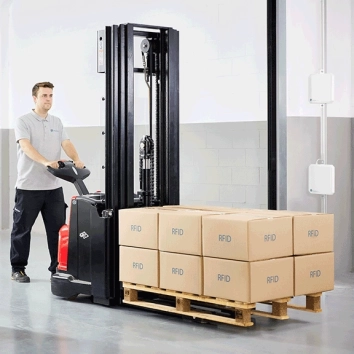
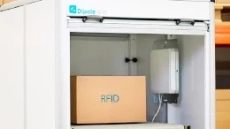
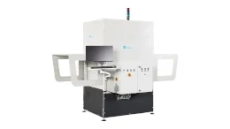
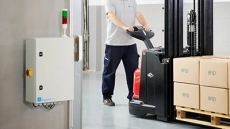
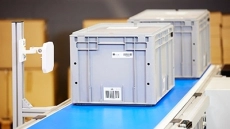
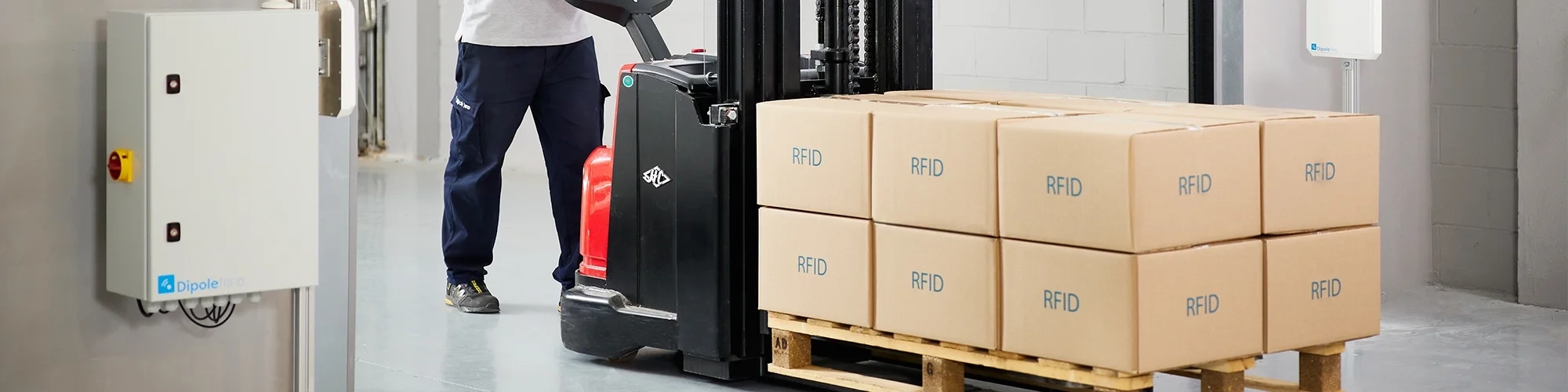
Depending on the size and configuration of a warehouse or facility, RFID portals or RFID gates may also be required. These complete RFID reading stations are particularly useful for identifying objects transported on pallets, carts, or containers.
When products pass through a doorway or checkpoint equipped with an RFID portal, they are automatically detected and recorded without any manual intervention. RFID portals are essential tools for building intelligent warehouses and automated logistics operations.
The reader can communicate directly with the customer's central management system (ERP), updating information in real time. Data is transmitted securely, minimizing potential errors and improving operational reliability.
This is one reason why logistics warehouses increasingly adopt RFID technology to improve product traceability. Healthcare is another sector benefiting significantly from RFID, where accurate data communication is critical to patient safety.
RFID Applications
The potential applications of RFID technology are virtually limitless, as are its benefits. Organizations across all industries are implementing RFID systems to improve efficiency and optimize operations.
Below are some of the most common applications:
Logistics and Inventory Management
In logistics operations, every product entering, leaving, or returning to a warehouse must be accurately tracked and documented.
RFID eliminates many of the errors associated with traditional identification methods. Since data is captured instantly, inventory processes become significantly faster while reducing non-value-added labor.
Food Industry
The food sector must closely monitor packaging dates, expiration dates, and batch numbers to ensure consumer safety.
RFID enables complete traceability, allowing organizations to identify where a product was manufactured, distributed, and sold. In the event of a recall, affected products can be located almost immediately.
Hospital Management
RFID plays a critical role in healthcare by enabling the tracking of medical products, laboratory samples, and patient records.
Patient wristbands equipped with RFID technology can provide healthcare professionals with instant access to medical histories and test results, ensuring real-time information availability throughout the care process.
Libraries
RFID technology enables efficient management of library collections, including item identification, borrowing, returns, and inventory control.
Many libraries now offer self-service borrowing and return systems powered by RFID, reducing administrative workload and improving user experience.
Livestock Management
The livestock industry uses RFID to identify and monitor animals throughout their lifecycle.
Should any issue arise, RFID-based identification allows rapid traceability and corrective action.
RFID Access Control
RFID technology is widely used for access control systems to verify the authenticity of credentials and monitor attendance.
Common applications include conferences, trade shows, sporting events, corporate facilities, and secure locations.
Industrial Process Automation
In industrial environments, RFID helps automate processes, reduce human error, and improve working conditions.
These improvements lead to higher productivity, greater operational efficiency, increased profitability, and enhanced scalability.
RFID for Retail
Retail was one of the first sectors to recognize the potential of RFID technology.
Retailers use RFID to identify products throughout their entire lifecycle—from manufacturing and distribution to sales and returns—enabling process automation, reducing errors, and lowering operational costs.
RFID in Laboratories
Accurate identification and traceability are essential in laboratory environments.
RFID technology optimizes sample management processes while enabling monitoring of variables such as temperature and location.
Benefits of RFID Technology
Now that we have explored RFID technology and its applications, let's review the key benefits it can deliver:
Data Storage Capacity
RFID systems can store significantly more information than traditional identification technologies. Product data can be automatically transmitted to ERP systems, databases, or customized reporting platforms.
Individual Product Traceability
Unlike traditional barcodes, which assign the same identifier to identical products, RFID enables unique identification of every individual item.
High Accuracy and Reliability
RFID systems can process large volumes of tagged items quickly and accurately. Even when thousands of tags must be read, reliable results can be achieved within seconds.
Long Service Life
RFID technology can operate effectively in demanding environmental conditions.
Thanks to robust RFID tags developed by Dipole, tags can withstand outdoor environments, harsh weather conditions, and elevated temperatures.
Fast Data Capture
RFID systems can perform hundreds of reads per second, significantly improving productivity and operational efficiency.
Long-Range Reading Capability
One of RFID's greatest advantages is the ability to read tags from several meters away without physical contact.
No Line of Sight Required
RFID tags can be read even when hidden behind other products or packaging.
Reduced Stockouts
RFID systems can generate customized alerts when inventory levels fall below predefined thresholds, helping prevent stock shortages.
Resistance to Dust and Dirt
Dust and dirt accumulation, common in warehouses and industrial environments, do not significantly affect RFID performance.
Low Sensitivity to Orientation
With proper RFID system design, antennas do not need to be perfectly aligned with tags. Tags simply need to remain within the antenna's reading zone.
Integration with Business Systems
Maximum value is achieved when RFID is integrated with management software and ERP platforms.
This integration allows companies to efficiently process, analyze, and leverage all RFID-generated information while synchronizing it with existing business systems.
Conclusion
As you can see, RFID technology offers a wide range of practical and valuable benefits for logistics, manufacturing, retail, healthcare, and many other industries.
At Dipole RFID, we recognized the enormous potential of this technology and began developing solutions that address real-world challenges in identification, labeling, and data capture.
Through continuous investment in research and development, our team has successfully implemented solutions in more than 7,000 end-customer installations, helping organizations optimize their operations and achieve complete traceability.
If you have any questions or need advice for your company, warehouse, or RFID project, please do not hesitate to contact us. Our team will help you identify the RFID solution that best fits your business requirements.