

















RFID Labels
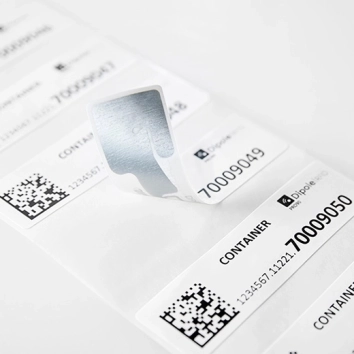
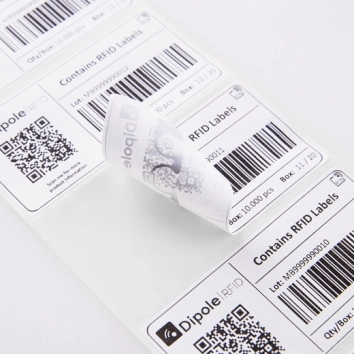
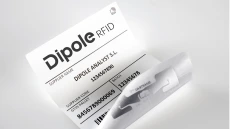
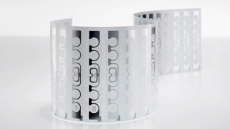
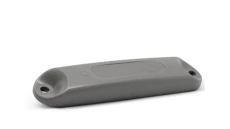
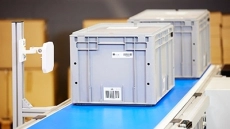
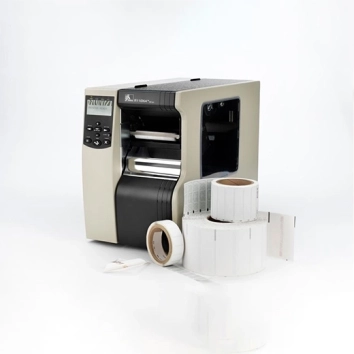
RFID labels for real-time product identification and traceability. At Dipole RFID, we design and manufacture UHF, HF and NFC RFID labels in different materials (paper, PET, ABS, on-metal), sizes, formats and chip (IC) options adapted to a wide range of industrial, logistics and commercial applications. Our RFID labels are designed to perform in any environment, including humidity, cold, metal surfaces, washing processes, outdoor conditions and demanding logistics operations. They enable item-level identification, custom encoding and real-time traceability. We can supply pre-encoded RFID labels with variable printing, compatible with RFID printers and international standards (EPC/GS1, ISO). The result: more reliable readings, fewer errors, and unit-level control of inventory, assets and product movements in any operational environment.
RFID Labels Dipole Timing
The RFID Dipole Timing tags are an innovative technological solution designed to time all kinds of sports events. They are used in a variety of sports events, including popular races, marathons, triathlons, cycling, winter sports, motorcycling, and car racing. Their versatility and reliable performance make them the perfect choice for organizers and participants of sports events worldwide.
One of the main features that distinguishes Dipole Timing tags is their high read fidelity ratio, reaching an impressive 99.99%. This ensures accurate detection and tracking of each tag at all times, guaranteeing reliable and precise results in all sports tests.
Product description RFID Labels Dipole Timing
Using UHF technology (860-960 MHz), these tags offer exceptional performance and unparalleled accuracy in the market. With a thickness ranging from 0.25 to 5 mm, Dipole Timing tags are the thinnest and most precise ones available in the current market and comply with ISO 18000-6C Class 1 Generation 2 standards, ensuring their quality and compatibility with existing systems.
With a wide operating temperature range from -40°C to +85°C, these tags can withstand extreme conditions and continue to function optimally.
You may also be interested in